59.013 .... B&F 1621
Grayling Hipparchia semele (Linnaeus, 1758)  
Historically, this butterfly was described as 'common near Mansfield' (Brameld) and used to be abundant in some seasons, on sandy ground at Thieves Wood, where it was last seen in 1884 (Daws). In Sherwood Forest it was described as 'occasional' by Sterland, but J.W. Carr (and others of the time) had reasons to doubt many of Sterlands records. However, given the dry, sandy nature of the Sherwood Forest area, Grayling would have seemed likely to have occurred on areas of heathland such as Budby South Forest.

Now long extinct in Nottinghamshire. The last county record appears to be from Rushcliffe Golf Course, dated around 1963. The record is rather vague and there is little information other than a grid reference. Even the year isn't certain and the record should clearly be regarded as suspect.
..
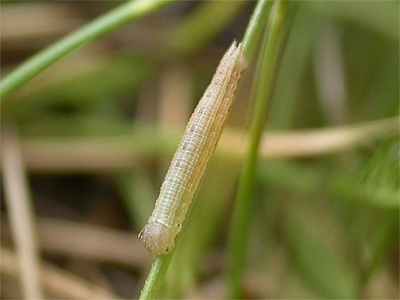
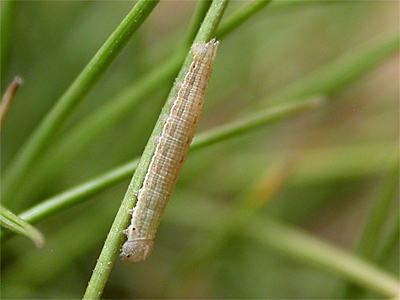
Early stages                            
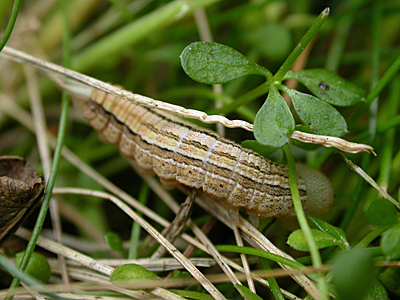
2nd-instar larva. Photographed in captivity, August 2025.
 
..
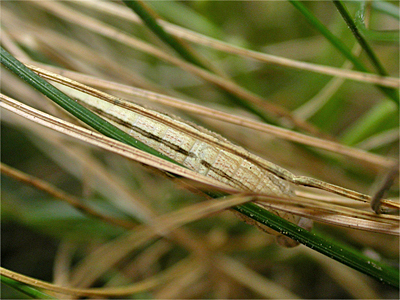
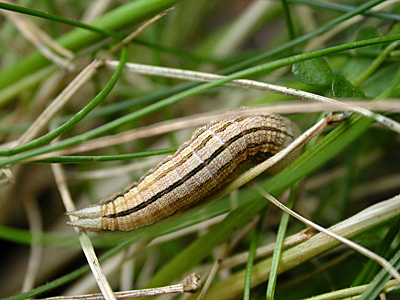
4th-instar larva, showing how well these larvae are camouflaged during the day. Photographed in captivity, May 2026.
 
..
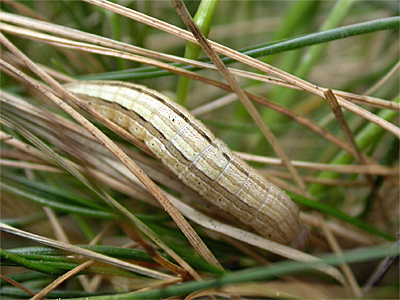
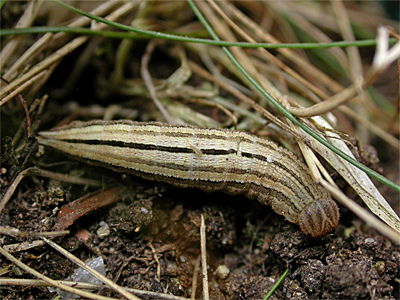
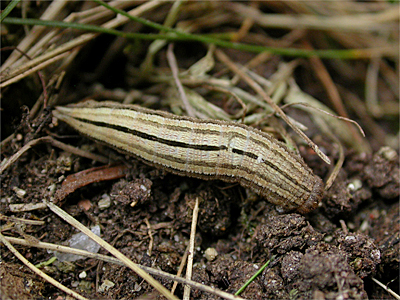
Freshly moulted 5th-instar larva. Photographed in captivity, May 2026.
 
 
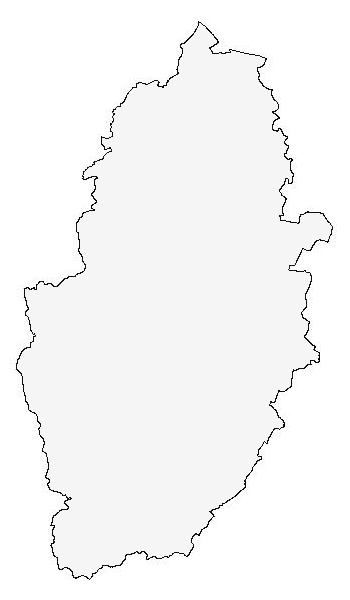
Nottinghamshire (VC56) distribution of Grayling 


The records for the Nottinghamshire distribution map are currently provided by the following contributors - 

You can contribute your own records to help us gain an accurate status of this species in Nottinghamshire. Send an Excel spreadsheet of your records via the 'contact us' link at the top of the homepage.

Updated May 2026

copyright © Trevor and Dilys Pendleton (www.eakringbirds.com) . .
Moth Photo Gallery - Thumbnail version
Moth Photo Gallery - Text version